Bankruptcy can be a daunting concept, often surrounded by fear and uncertainty. However, understanding bankruptcy as a legal tool for debt relief can help individuals see it not as an end, but as a chance to reset their financial life. Far from being the irreversible disaster many imagine, it can offer a structured path toward stability. By learning the process, addressing common misconceptions, and taking proactive steps toward rebuilding, anyone can move from financial distress to renewed confidence.
Understanding Bankruptcy and Its Implications
Bankruptcy is a legal process designed to help individuals or businesses eliminate or repay debts under the protection of the court. The most common types for individuals are Chapter 7, which involves liquidating non-exempt assets to pay creditors, and Chapter 13, which allows debtors to follow a repayment plan over three to five years. Contrary to popular belief, bankruptcy does not automatically mean losing your home, car, or personal belongings. Many assets are exempt, depending on the state’s laws.
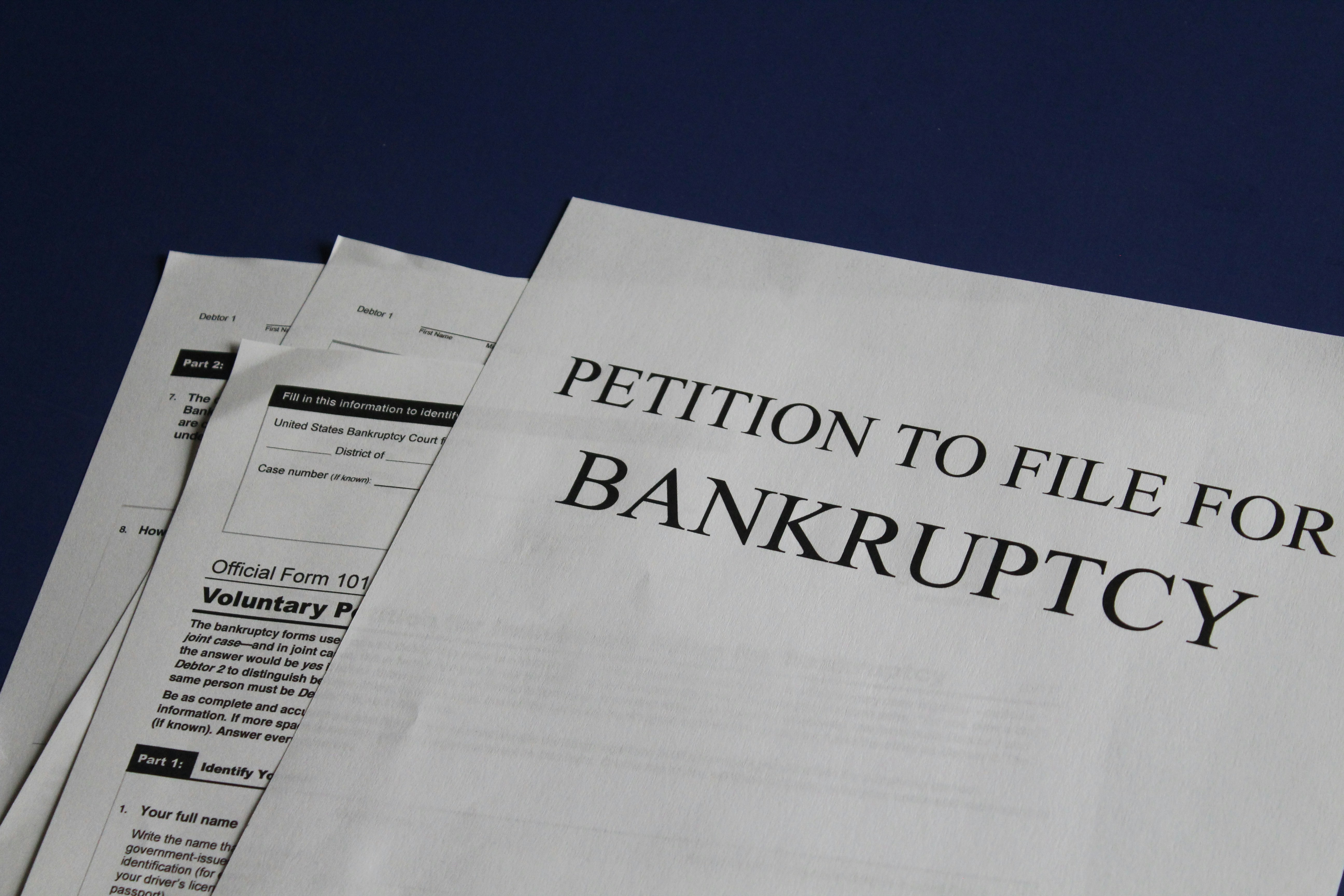
The legal process begins with filing a petition, after which creditors must halt collection efforts. Eligibility requirements vary: Chapter 7 filers must pass a means test, while Chapter 13 filers must have a regular income. According to the U.S. Courts, hundreds of thousands of Americans use bankruptcy each year to regain control over their finances. The American Bankruptcy Institute notes that while it does affect credit, it also provides a clean slate for rebuilding.
Strategic Steps for Financial Recovery After Bankruptcy
The months following bankruptcy are crucial for shaping your financial future.
First, create a realistic post-bankruptcy budget that accounts for essential expenses while avoiding unnecessary costs. Prioritize necessities and track every dollar to ensure spending aligns with income.
Rebuilding credit is the next step. Secured credit cards and small installment loans can help establish a positive payment history. Making on-time payments consistently will gradually improve your credit score. Many individuals report seeing significant increases in their scores within 12 to 24 months.
An emergency savings fund is essential. Even starting with small amounts can provide a cushion against unexpected expenses, helping you avoid falling back into debt. Professional financial counseling can also provide tailored strategies, from debt management to investment planning, ensuring long-term stability.
Long-Term Habits for Maintaining Financial Health
Sustaining financial recovery requires discipline and ongoing attention. Monitoring your credit reports regularly ensures accuracy and allows you to address any discrepancies promptly. Avoid high-interest debt by living within your means and using credit responsibly.
Debt management tools and budgeting apps can help maintain control over spending, while long-term asset building—through retirement accounts, mutual funds, or real estate—can strengthen financial security. Studies from reputable personal finance organizations consistently show that individuals who adopt these habits are more likely to remain debt-free and enjoy lasting stability.
Maintaining these practices ensures that bankruptcy becomes a turning point rather than a setback. With careful planning, it can mark the beginning of a more secure, confident financial life.
Take the first step toward your fresh start today—empower yourself with knowledge, make informed choices, and commit to a plan that secures your financial future.

